
Visit the most beautiful cities of the French Riviera on this comprehensive tour.
From Menton to Saint-Tropez, don’t miss the most breathtaking locations. Live unique experiences!
Travel through the most beautiful cities of the French Riviera. Treat yourself to an urban escape and fully explore this wonderful land.
The most beautiful cities on the French Riviera
The 15 major cities, in geographic order, from east to west.
- Menton
- Monaco
- Eze
- Saint-Jean-Cap-Ferrat
- Villefranche-sur-Mer
- Nice
- Cagnes-sur-Mer
- Saint-Paul-de-Vence
- Antibes
- Juan les pins
- Grasse
- Cannes
- Saint-Raphael
- Roquebrune-sur-Argens
- Saint-Tropez
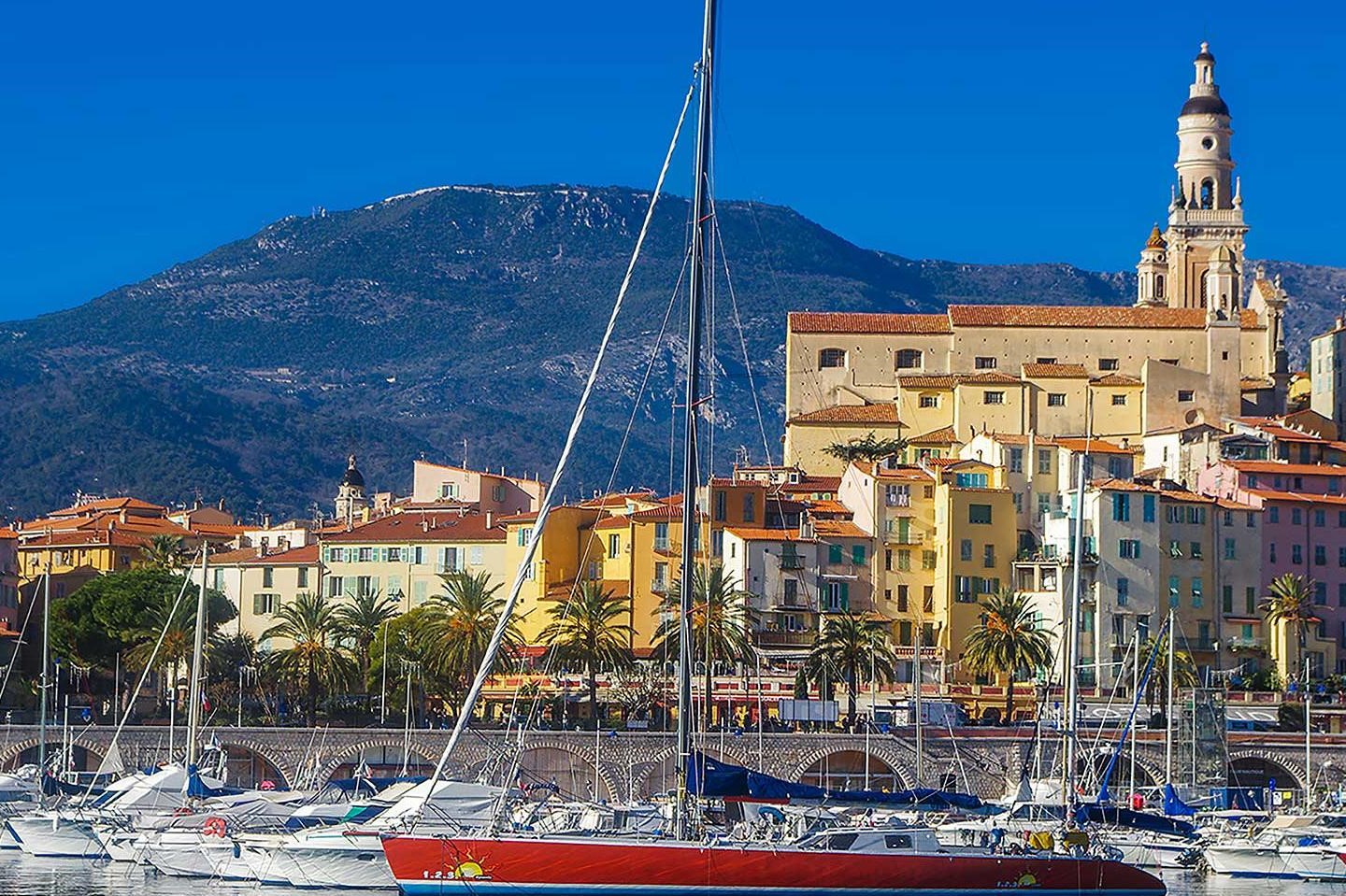
1 Mentone (2)
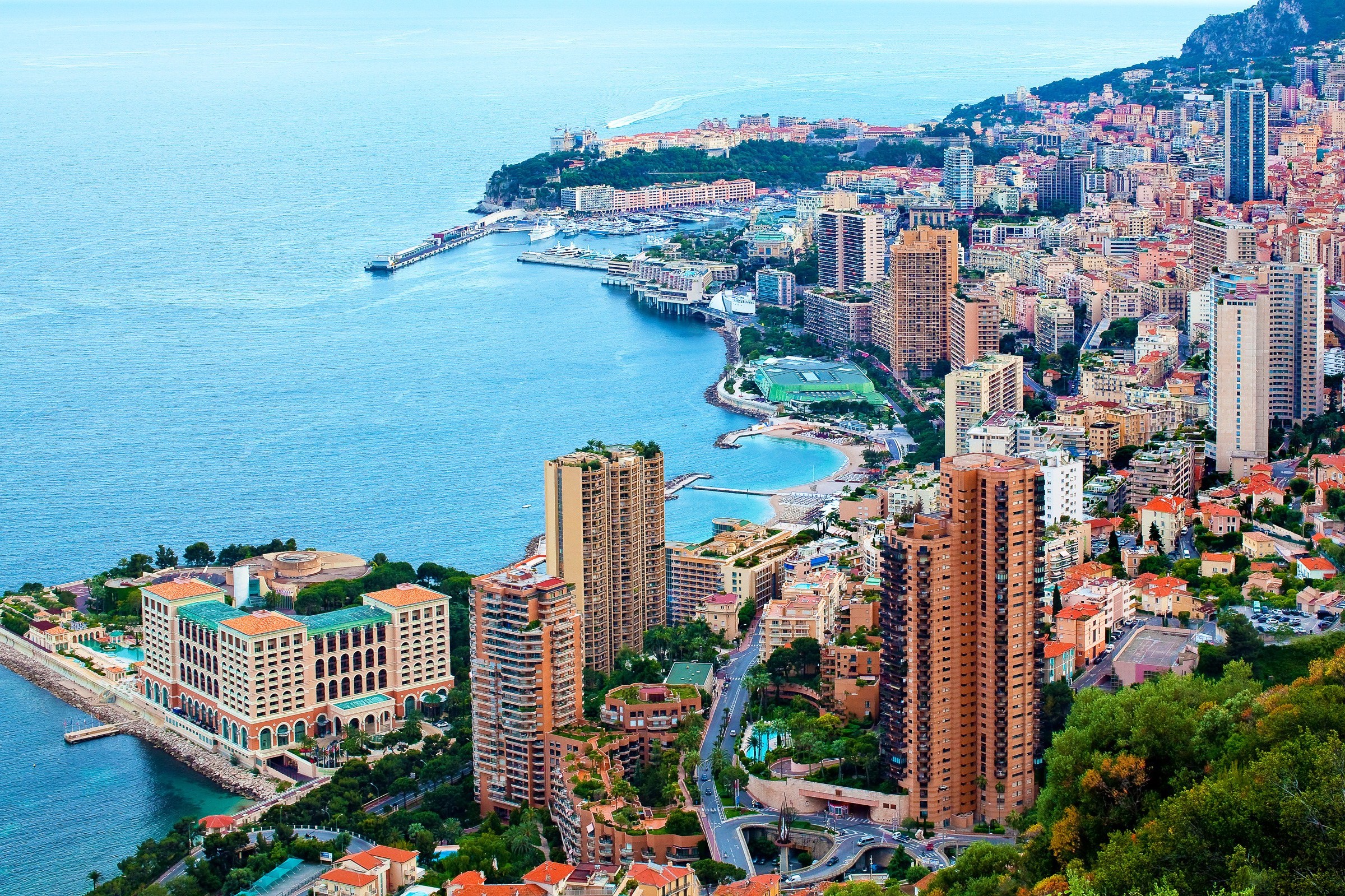
2 monaco (2)
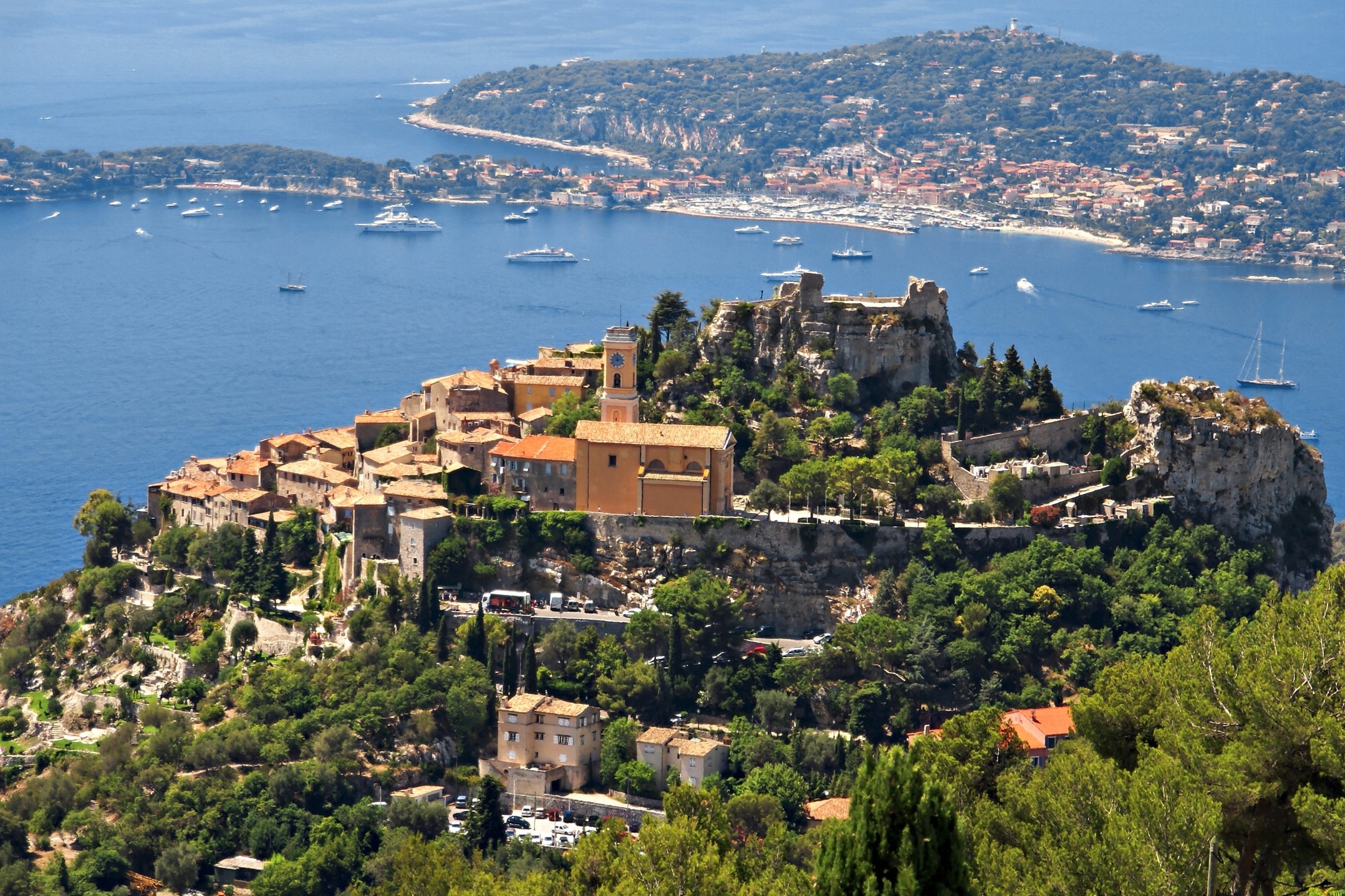
3 Eze (2)

4 saint-jean-cap-ferrat (2)
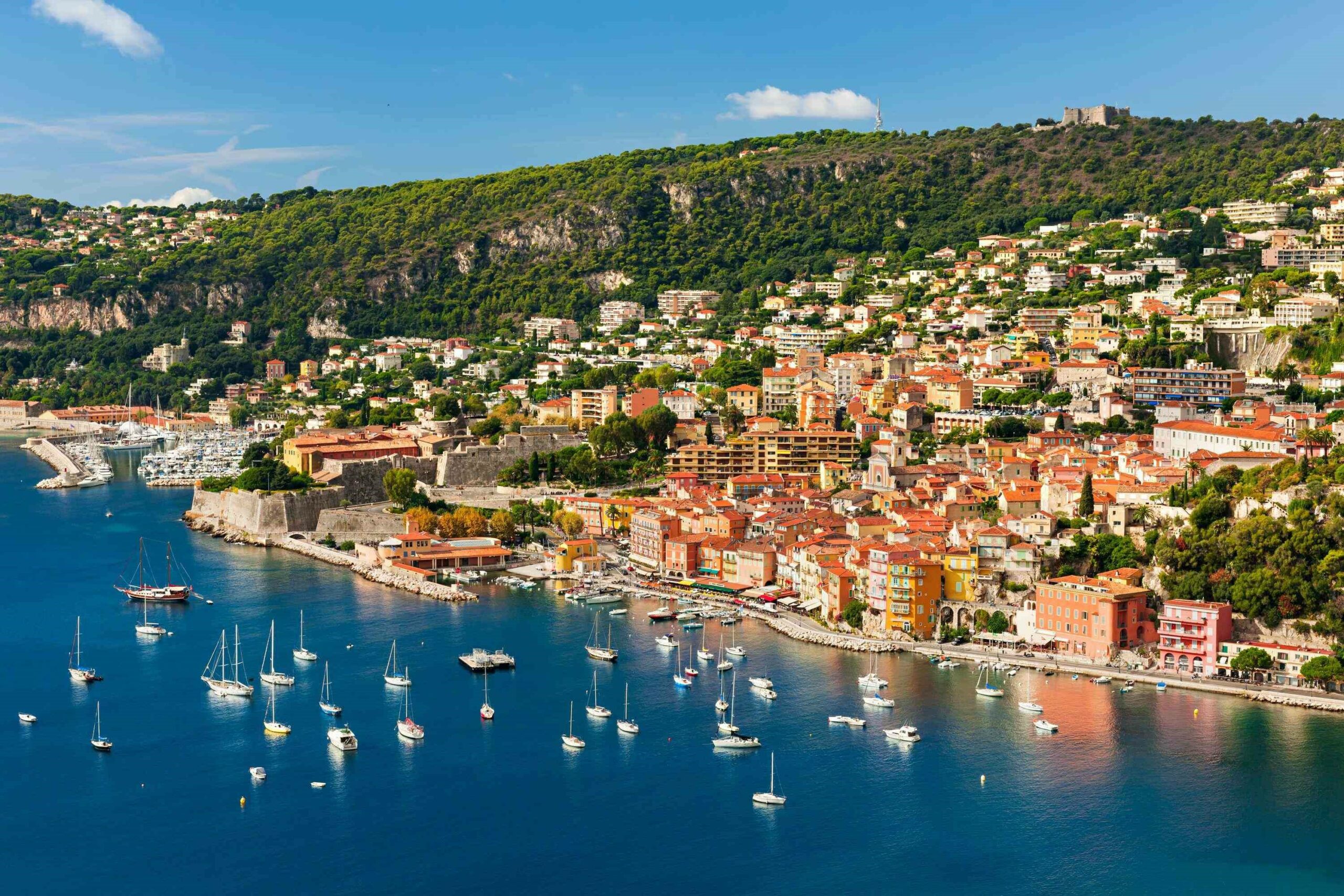
5 villefranche sur mer (2)
Villefranche-sur-Mer

6 Nizza (2)
Nizza
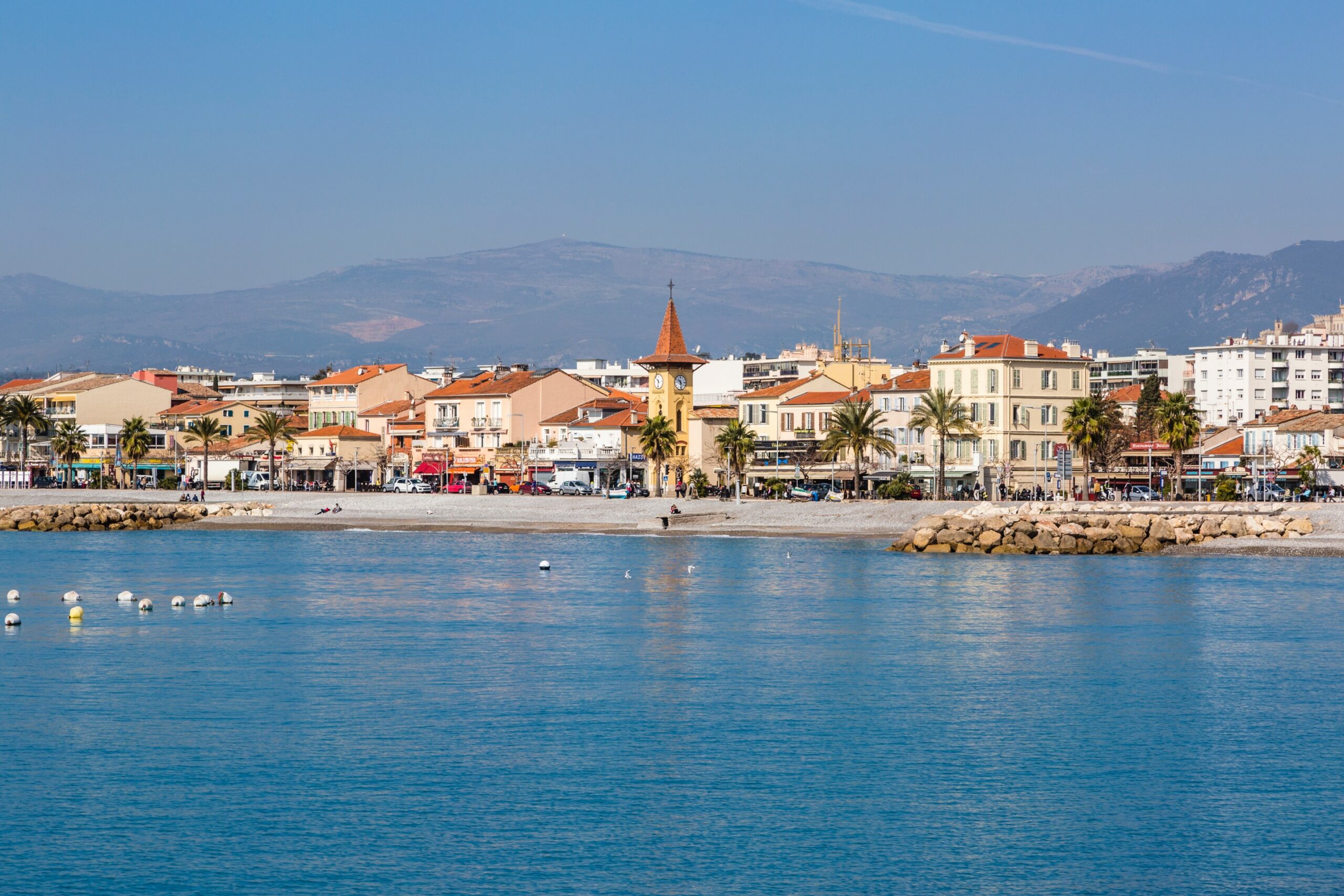
7 CAGNES SUR MER (2)
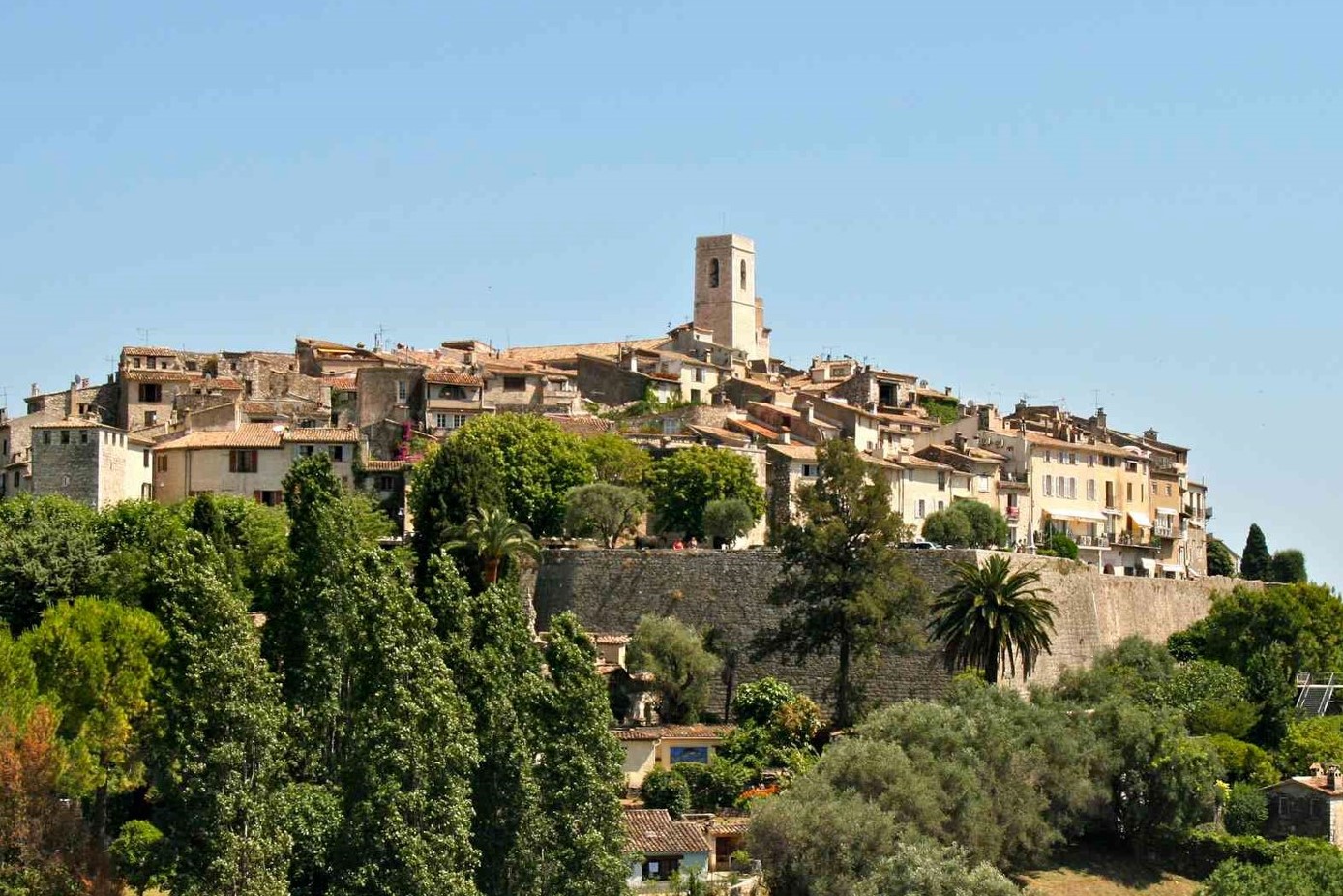
8 SAINT PAUL DE VENCE (2)
Saint-Paul-de-Vence
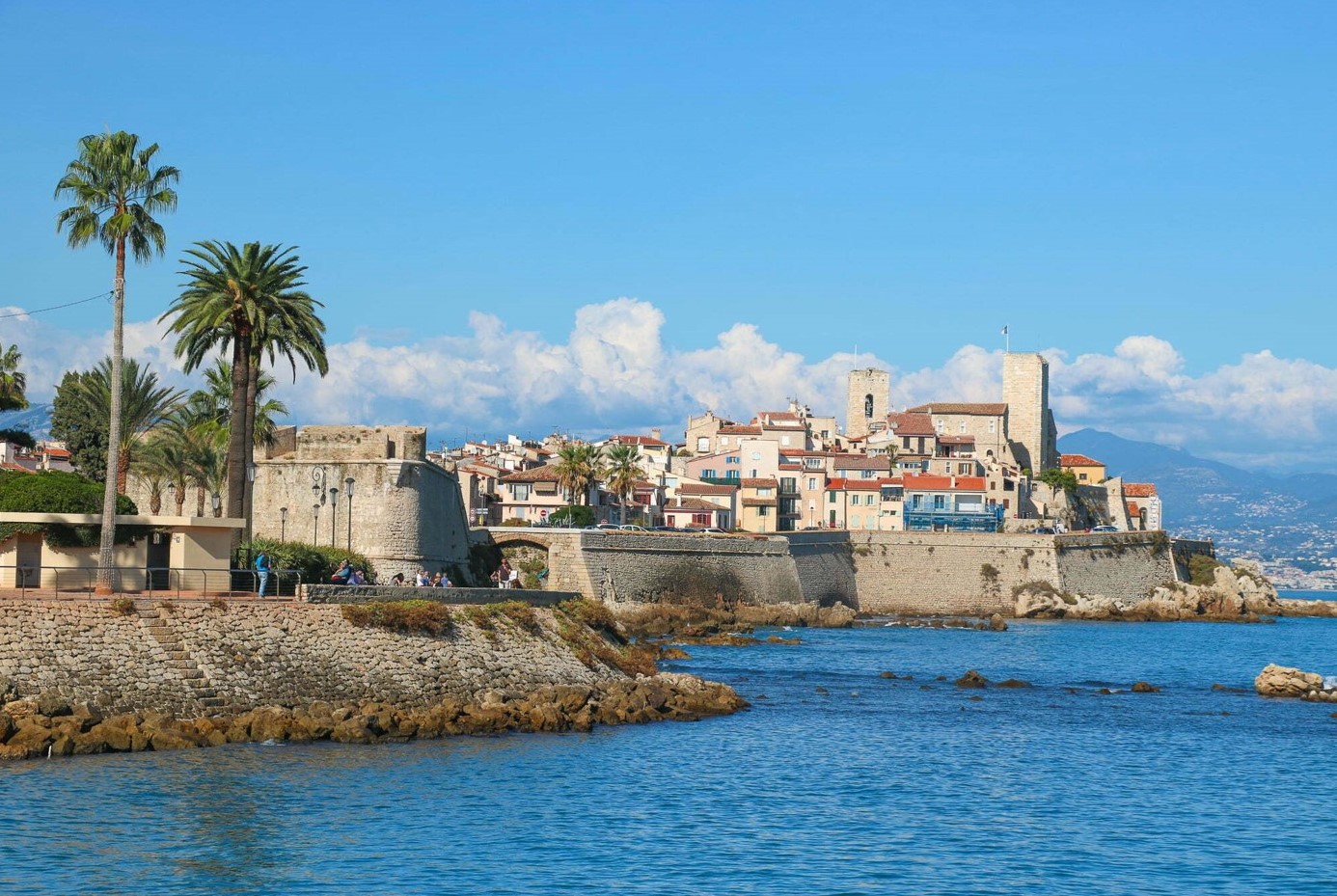
9 antibes (2)
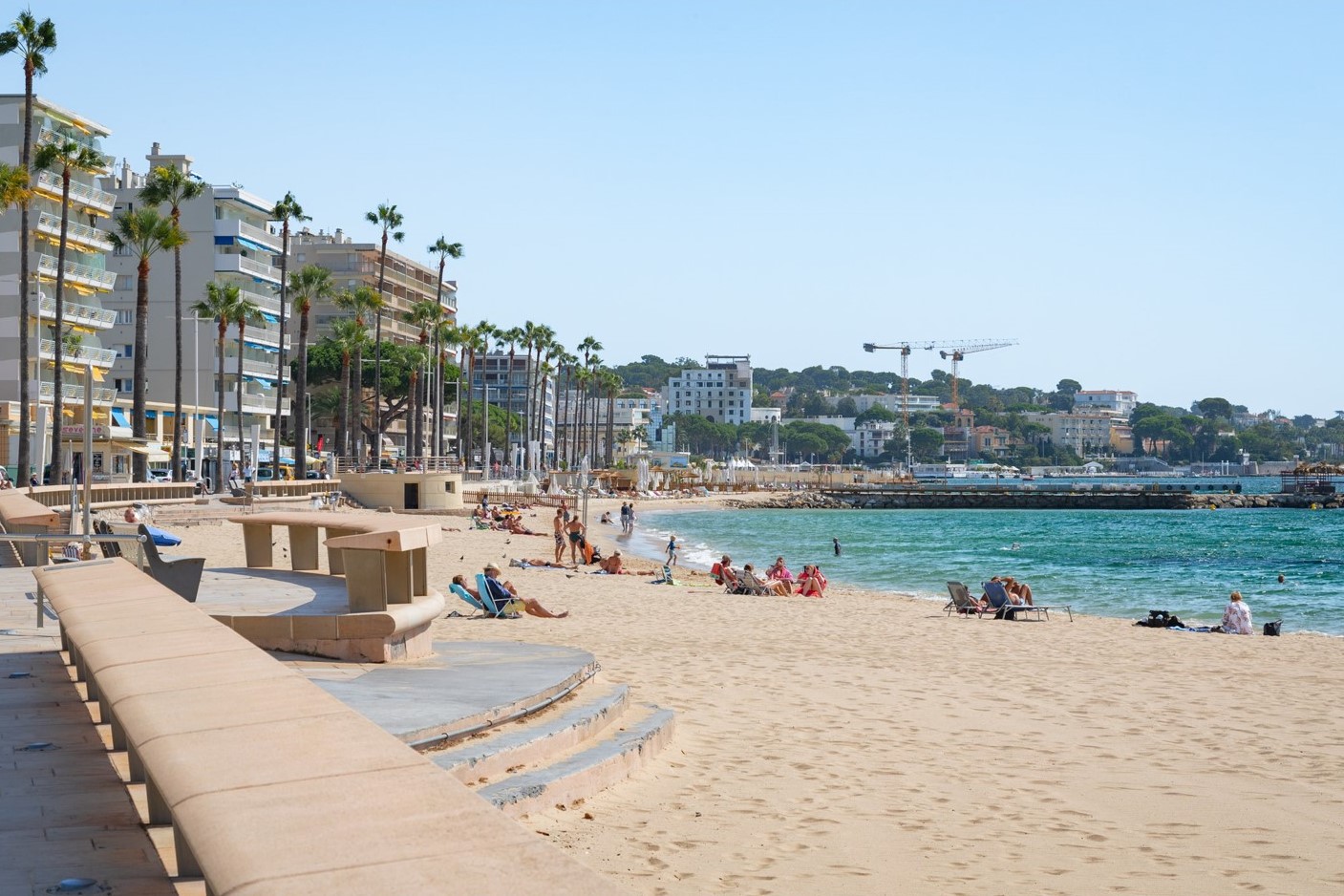
10 juan les pins (2)
Juan-les-Pins
11 grasse (2)
Grasse
12 cannes (2)
13 Saint-Raphael (2)
Saint-Raphaël
14 Roquebrune-sur-Argens (2)

15 saint tropez (2)
Saint-Tropez
Don’t miss the most beautiful cities on the French Riviera. Visit your favorites.
PROGRAM
Menton
The tour of the most beautiful cities on the French Riviera starts in Menton, on the border with Italy. The city has a subtropical climate and possesses a botanical – with its 7 gardens – and architectural heritage. For this reason it is the first “City of Art and History” in the Alpes-Maritimes. Menton is home to the Jean Cocteau Museum, which is located on the seafront in a stunning location designed by architect Rudy Ricciotti. The Wedding Hall turned 60 years old in 2018.
In addition, Menton is famous for its citrus fruits. Thus, we recall the garden of Palais de Carnolès, with 137 varieties of citrus fruits. The historic Lemon Festival is held in February.
History lovers can indulge in a visit to the small regional prehistory museum. To admire the city from above, on the other hand, you can climb the bell tower of the Church of St. Michael the Archangel, or go to the Old Castle Cemetery.
Monaco
Monaco is only 10km from Menton, about 20 minutes by car. The Principality of Monaco, nestled among the views of the from the French Riviera, is a chic and international resort. In addition to visiting the principality’s palace, you can try your luck at the world-famous Monte Carlo Casino. Monaco, in addition to its luxury, is remembered for the Formula 1 Grand Prix and the Tennis Rolex Masters.
The Principality is rich in history and charm. Visit the Cathedral of the Immaculate Conception, the Japanese Garden, and the harbor.
Here Prince Rainer III keeps his private collection of vintage cars.
When transferring by car, it is a must to opt for one of the trois corniches, three scenic roads, at different heights, that offer breathtaking views.
Èze
Èze is a medieval village, also known as “the eagle’s nest.” Enjoy a tour of the village and a visit to the perfume and cosmetic factories. You can also visit the exotic botanical garden, where there is an important collection of succulents and other rare species. They live surrounding the remains of an ancient castle, all on top of a hill at an altitude of 400 m with a cliff overlooking the sea. A breathtaking view!
Saint-Jean-Cap-Ferrat
Not far away, Saint-Jean-Cap-Ferrat is a super-fashionable town. Cap Ferrat is a paradise dotted with magnificent villas, some of them by the sea.
Visit the Villa de Saint Sospir, the former residence of Jean Cocteau. The walls were decorated by the artist himself.
Another visit not to be missed is to Villa Ephrussi de Rothschild. Decorations starting from the 15th century and reaching to the 19th make it one of the most sumptuous. Today, the villa and its gardens, commissioned by Baroness Beatrice, belong to the Academy of Fine Arts.
The chapel of Saint-Hospice is also worth a visit. here you will find a bronze statue of the Black Madonna, 11 meters high.
For some relaxation, however, you can stop at the beautiful beaches of Paloma, Passable, or Grasseuil-Espalmador.
The transfer to Nice passes along the important port of Villefranche-sur-Mer, a delightful resort on the French Riviera.
Nice
Nice, besides being the capital of the French Riviera, is a very lucky city. The Bay of Angels in front, the Alps behind, the Mercantour National Park and the two most glamorous cities in the world, Monaco and Cannes, close by. All this only 1:30h from the ski lifts. Of Nice you will love the charm of the old town, the facades all colorful, the flower market, the art galleries, and the typical restaurants and cafes.
The city
While touring the city and old town, admire the Orthodox St. Nicholas Cathedral and treat yourself to a tour on the scenic tourist train. Of course, a walk on the Promenade des Anglais cannot be missed. Instead, a stop around the Place Massena will allow you to admire the characteristic alleys of the old town. This is where the flower market is held on Tuesdays and Saturdays and the flea market on Mondays. In Nice you can also enjoy the local food and wine products, such as olive oil, wine or jams!
There are countless events here: carnival, marathons, jazz and more!
museums
After Paris, Nice-the capital of the French Riviera-is the French city with the most museums, so it is a must-see for art and culture on the French Riviera. The Matisse Museum is a beautiful red Genoese-style villa on Cimiez Hill that houses paintings and drawings by the artist. Not far away is a Franciscan monastery with a wonderful garden. Cimiez is an upscale residential neighborhood that also houses the archaeological museum and the Marc Chagall National Museum. In the Museum of Modern and Contemporary Art (MAMAC) in addition to the tour, you can enjoy a 360-degree view of the city from the terrace located on the fourth floor.
The museum in Palais Lascaris is an art gallery where you can meet the authors of the artistic works.
Saint-Paul-de-Vence
On the way to Saint-Paul-de-Vence one can make a stop at Cagnes-sur-Mer, where the Belgian painter Georges-Émile Lebacq spent several years of his life (specifically at the Villa of the Orchids). Not far away is the Les Collettes estate, purchased by Renoir to save a large olive grove.
Saint-Paul-de-Vence is a small village perched on the hill above Nice. It offers a splendid view of the Riviera. A quiet place made famous by Yves Montand and Simone Signoret.
We can call it“the city of artists.” It is located inland and has a magical atmosphere, with its narrow streets and colorful shutters.
Modern art lovers can visit the Fondation Maeght, which houses works by Chagall, Giacometti, Miró, Calder, Fernand Léger, etc. You can admire the walls dating from the time of Francis I or have a drink at Café de la Place.
Vence
In Vence, a medieval village not far away, which has preserved some ramparts, there is the chapel of St. Mary of the Rosary. It was painted by Henri Matisse during his stay. The artist himself called it “the masterpiece of his existence.”
Here you can get lost in the city streets and drink from the Foux fountain, from where pure water has been flowing since the Middle Ages. Or enjoy the pleasant microclimate, conducive to the growth of hills of olive and citrus trees, white and green oaks, aleppo pines, and its lush gardens scented with rosemary and lavender. You will also be able to visit the Vence Museum, Emile Hugues Foundation, and the aforementioned Rosary Chapel.
Biot
Heading toward Antibes, one can opt for a stop in Biot, a medieval village that specializes in the art of glassblowing. Here you can participate in a glass-blowing workshop at a major glassworks or watch master glassmakers demonstrate their knowledge of verre bullé in their studios. After wandering through the picturesque streets, there is nothing more pleasant than a walk along the Brague, the river that runs through the area. Finally, you can opt for a visit to the Fernand Léger Museum.
Antibes, Juan les Pins
Antibes is a town and seaside resort known for its historic center, surrounded by 16th-century ramparts. They house the star-shaped Fort Carré. It overlooks luxury yachts, moored at the Vauban marina.
A town that entices visitors to discover its alleys, small squares and craft stores. The Provençal market on Cours Masséna offers typical local products. Take an unhurried stroll and observe the wonderful views overlooking the sea.
The Cours Masséna (the remains of the Roman era), the Notre-Dame-de-la-Garoupe chapel (which was built between 1300 and 1600) and the Picasso Museum are worth a visit here. Picasso ‘s “joie de vivre” can also be found in the Château Grimaldi, the artist’s former atelier.
You can relax on the beautiful beaches or at the forest de la Garoupe, or opt for a visit to the Villa Thuret botanical garden. If you love history, however, you can head to Golfe-Juan.
Nearby
Golfe-Juan is a small town that saw Napoleon land on March 1, 1815, following his escape from Elba Island. By walking the Route Napoléon you will get an idea of the route followed by the Emperor and his troops.
Cap d’Antibes-which separates Antibes and Juan les Pins-offers a splendid view in front of the chapel of Notre-Dame de la Garoupe. From here, in good weather, you may happen to see Corsica! The Cap d’Antibes also holds an incredible marine and terrestrial biodiversity. Classified as a ” Natura 2000 ” area, it is part of the European network of natural sites signaled for the quality, rarity and fragility of their natural habitats and the animal or plant species they host. The main objective of the ” Natura 2000 ” network is to preserve terrestrial and marine biodiversity while reconciling specific human activities.
Juan-les-Pins is an elegant seaside resort with a vibrant nightlife. The jazz festival is hosted here.
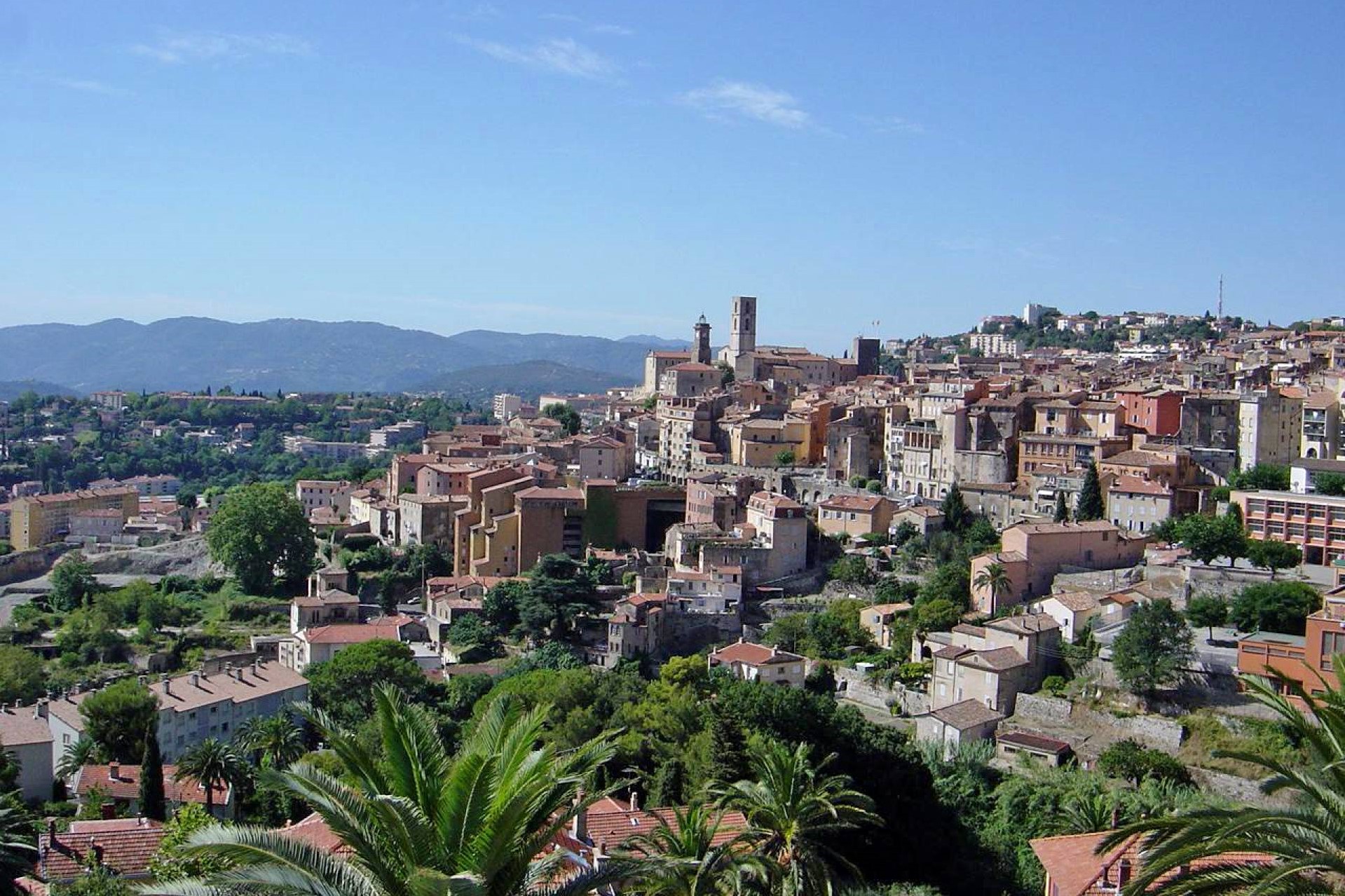
Grasse
Grasse is the perfume capital of the world. Come discover the very essence of the Pays de Grasse, the DNA, the perfumeries, the history, the flowers and the perfumes. Since 2018, Grasse’s perfume know-how has been recognized as a UNESCO Intangible Heritage Site.
Today, the perfumery of Grasse consists of dozens of companies, including such illustrious names as Chanel and François Demachy. Alongside these giants, three Grasse perfumers cultivate a centuries-old tradition: Galimard, Fragonard and Molinard. Here you can have a unique experience and create your own perfume in one of the workshops!
Finally, the Grasse people also founded the International Perfumery Museum.
Cannes
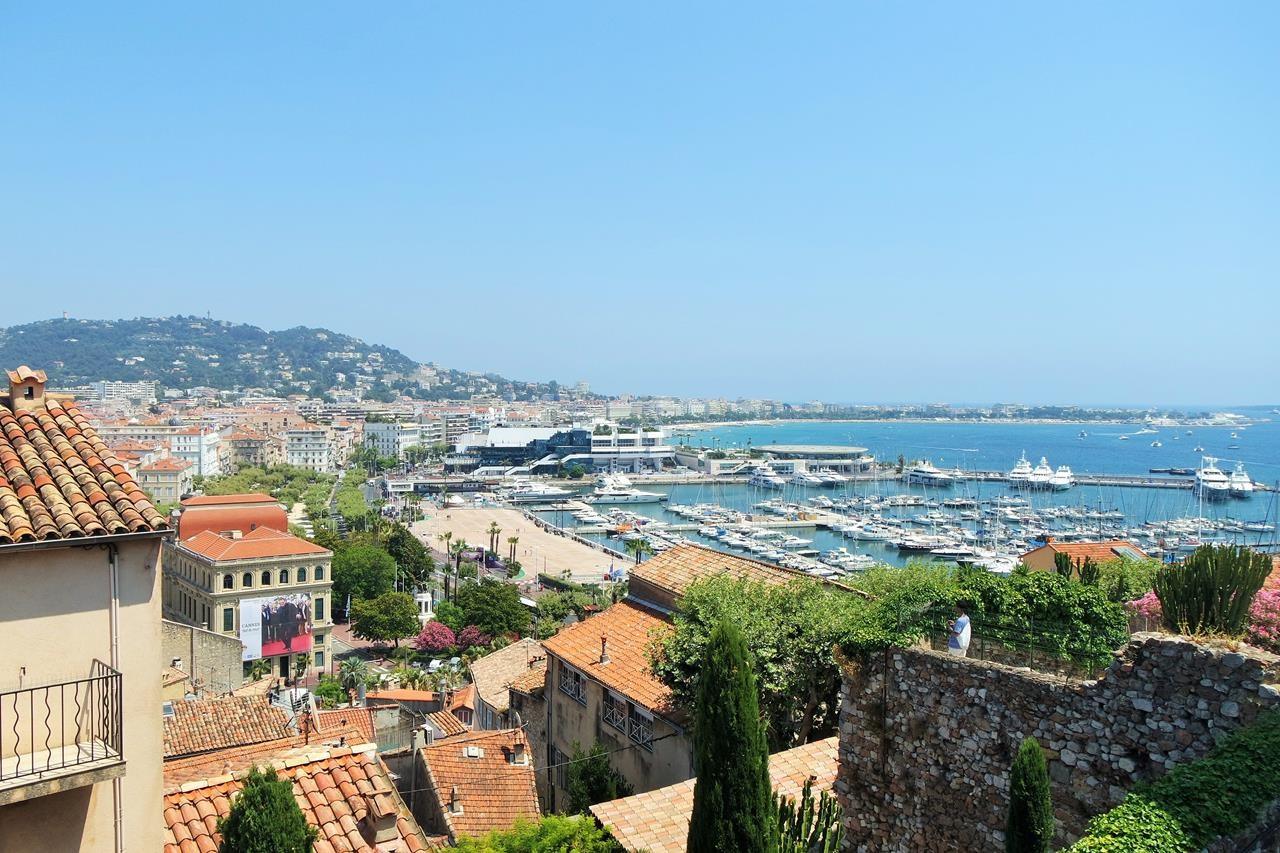
Cannes, the famous seaside resort on the French Riviera, also known for its film festival, needs no introduction! Treat yourself to a guided tour around the city and especially along the Croisette, an avenue lined with sandy beaches, upscale stores, and lavish palaces, including the Palais des Festivals et des Congrès, a modern building with its signature red carpet. Don’t miss the Alley of Stars, Cannes’ “walk of fame.”
Discover the hidden part of Cannes: the two Lérins Islands, Sainte-Marguerite and Saint-Honorat, with a tour and leisurely boat ride!
In addition, you can stroll through the medieval streets of the Suquet, Cannes’ oldest and most authentic neighborhood, or admire the old port.
The city is constantly changing and offers a contemporary, Mediterraneanart of living that is steeped in culture. For this and much more Cannes is appreciated by visitors from all over the world.
Saint-Raphaël
From Cannes, pass through Saint-Raphaël and Frejus to reach Roquebrune-sur-Argens. Finally, passing through Sainte-Maxime and Grimaud you arrive in Saint-Tropez!
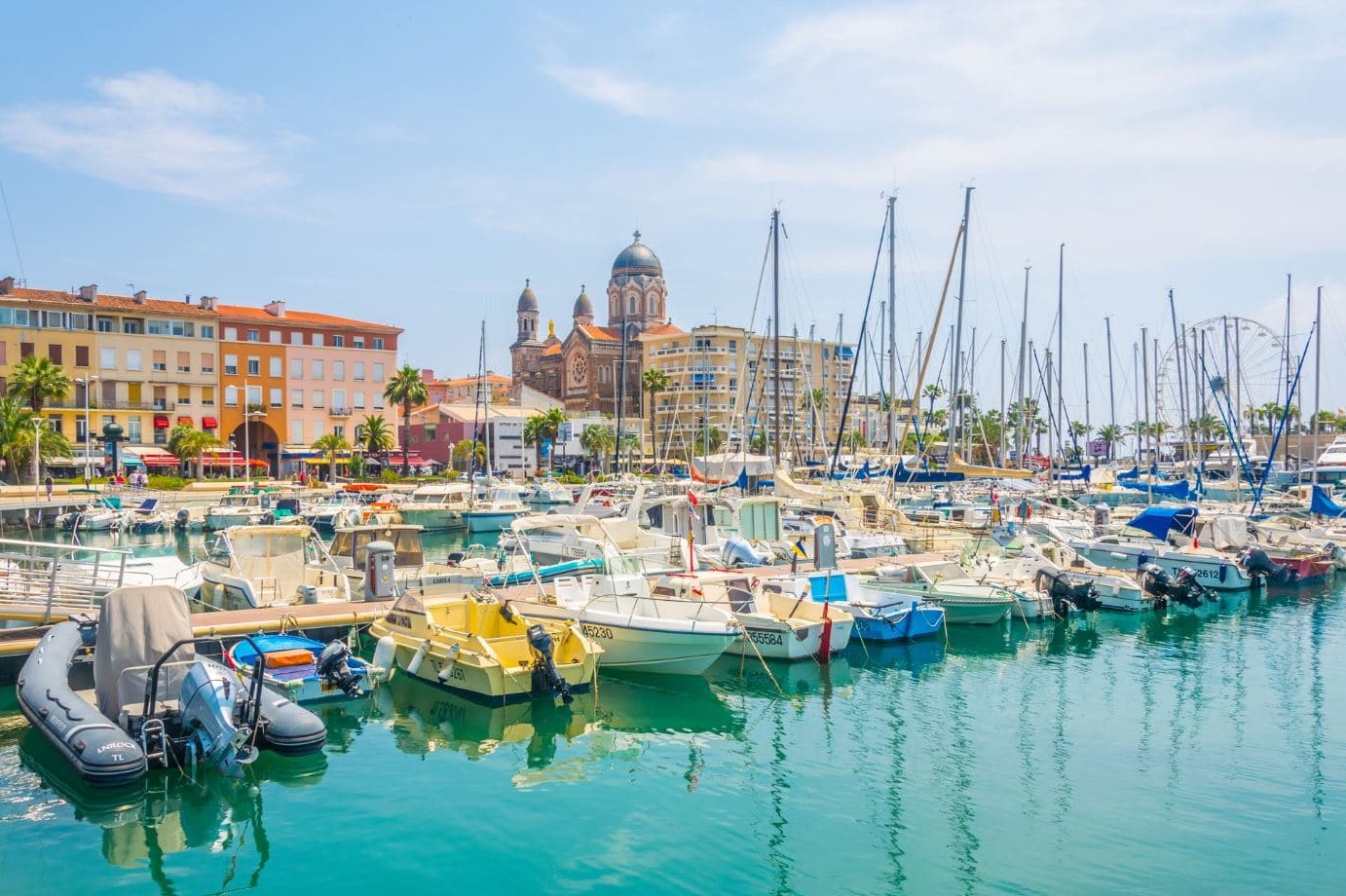
Treat yourself to a ride to the Estérel massif, reached via the Corniche d’Or. From Saint-Raphaël to Théoule-sur-Mer, 50 km of beaches await you, all of which offer breathtaking views. Enjoy the spectacular contrast between the red of the porphyry rocks and the blue of the sea. In Saint-Raphaël you can visit the museum to Louis de Funès. Cap Dramont, on the other hand, will allow you to catch a glimpse of the Golden Island, thanks to its tower.
Roquebrune-sur-Argens
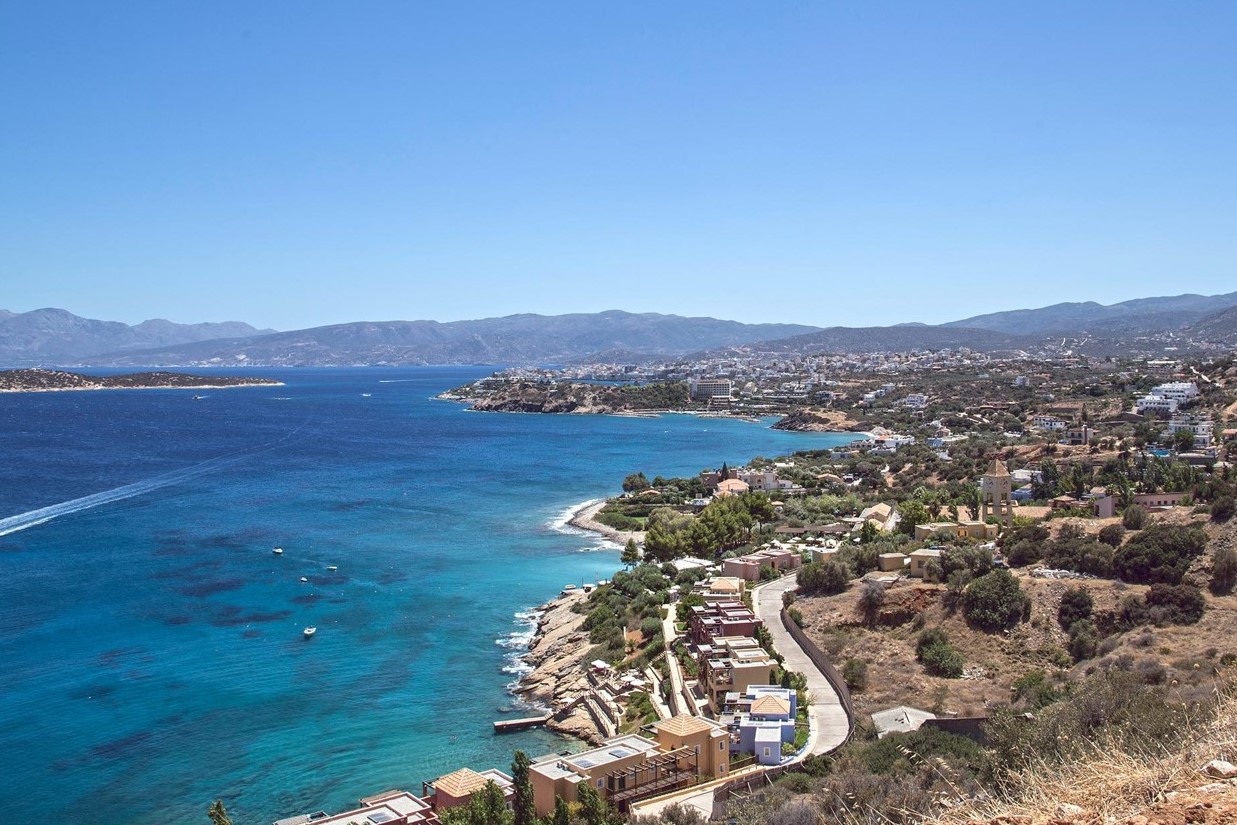
Roquebrune-sur-Argens is a French municipality crossed by the Argens River. It stretches almost 30 km, from the beaches of Les Issambres to the famous Rocher de Roquebrune. You will find medieval, Provençal villages, seaside resorts, forests and local agriculture. You will discover many nautical activities: on the sea, river or lake. Parachute ascending, sailing center, jet ski and sea kart, canoeing, paddle, but not only. Also: the randonnée, themed walks, thalassotherapy and golf. Awaiting you is an unspoiled land in the heart of Provence and the French Riviera, located halfway between Nice and Aix-en-Provence. Activities, culture, but also food and wine products. A Maison du Chocolat et Cacao, a Maison du Patrimoine and numerous art galleries. For those with a sweet tooth, a Maison du Terroir brings together all local and artisanal products!
Saint-Tropez
In Saint-Tropez enjoy a tour of Le Ponche, the old fishermen’s quarter. It’s a corner that retains an old-world charm even today, thanks to its narrow streets, the small beach enclosed by typical houses and centuries-old olive trees.
Visit the Church of Our Lady of the Assumption and the Chapel of Mercy. Then reach the beautiful beaches that surround the town-from tiny Les Granieres to the very popular Pampelonne beach.
Finally, you can opt for a delightful boat ride!
The package can be customized according to your needs and include:
- the overnight stay in the hotel with breakfast
- The driver for all transfers included in the program
- Admission to the attractions included in the program
- tour guides